




Understanding the psychology of gambling at casinos
The allure of gambling: Understanding the initial attraction
The world of gambling captivates many individuals, drawing them into its vibrant and exhilarating atmosphere. This attraction often originates from the thrill and excitement associated with taking risks. The very essence of gambling involves uncertainty and the potential for financial gain, which creates a sense of adventure and possibility. Many are enchanted by the sensory overload of a casino, filled with dazzling lights, captivating sounds, and the palpable energy of anticipation. Players might also enjoy the convenience of the best online pokies nz which can provide entertainment anytime, enhancing their experience and prompting individuals to return repeatedly, seeking that same adrenaline rush.
Additionally, the prospect of winning money serves as a significant motivator for many gamblers. The idea of hitting a life-changing jackpot, or even securing a modest win, can trigger a surge of emotions, including joy, excitement, and hope. This is often coupled with the romanticized narrative of “the lucky gambler” who strikes it rich against all odds, reinforcing the belief that anyone could be the next big winner. Such narratives enhance the appeal of gambling while leading many to overlook the statistical realities and risks associated with their chances of winning.
Furthermore, social interaction plays a critical role in the initial attraction to gambling. Casinos are lively social hubs where individuals can meet, compete, and celebrate together. The communal aspect of gambling, whether gathered at a poker table or sharing a slot machine, fosters shared experiences and camaraderie among players. This social dimension not only heightens the enjoyment of gambling but also immerses individuals in the culture surrounding casinos, transforming it from a solitary activity into a shared adventure that strengthens social bonds.
The psychological effects of winning and losing
The psychology of winning in gambling can evoke profound feelings of confidence and optimism. When an individual wins, they experience a rush of dopamine, a neurotransmitter linked to pleasure and reward. This chemical reaction reinforces the behavior, encouraging gamblers to continue playing in hopes of replicating that success. Unfortunately, this psychological reinforcement can create a cycle of gambling that blurs the lines between entertainment and addiction. For many, the exhilaration of winning fosters a false sense of control over future outcomes, leading them to believe they can consistently beat the odds through sheer will or strategy.
Conversely, the experience of losing can have a significant psychological impact. It often triggers feelings of frustration, disappointment, and even despair. Many gamblers may fall into the trap of chasing their losses, a behavior commonly referred to as “loss chasing.” In this mindset, individuals continue to gamble with the hope of recovering lost funds, which can spiral into larger losses and an increased reliance on gambling as a means to cope with negative emotions. The psychological toll of losing can be severe, pushing some gamblers into isolation or harmful behaviors as they grapple with their feelings of inadequacy and despair.

Recognizing how winning and losing affect the mind is essential for understanding the potential for gambling addiction. Mental health professionals emphasize awareness and education regarding these psychological effects. Individuals who acknowledge their emotional responses to gambling may be better equipped to set limits or seek help when needed. Promoting awareness fosters informed decision-making, enabling gamblers to navigate their experiences more safely and reduce the risk of developing harmful habits.
The role of cognitive biases in gambling behavior
Cognitive biases play a significant role in shaping how gamblers perceive their experiences and make decisions while gambling. One prevalent cognitive distortion is the “gambler’s fallacy,” which is the mistaken belief that past events can influence future outcomes in random games of chance. For instance, if a roulette wheel has landed on red multiple times in a row, a gambler may irrationally conclude that black is “due” to win. This misinterpretation of probability can lead to increased betting, ultimately resulting in substantial financial losses that could have been avoided by adhering to statistical realities.
Another common cognitive bias is the illusion of control, where gamblers mistakenly believe they can influence the outcome of games that are primarily based on luck. This belief is particularly prevalent in games like poker or sports betting, where players may feel that their skills can sway the odds in their favor. Such an illusion can lead to overconfidence, prompting individuals to gamble more aggressively than they otherwise would. Acknowledging these cognitive biases is crucial, as they can profoundly alter risk assessment and decision-making processes in gambling scenarios, often to the detriment of the gambler.
Moreover, the confirmation bias also significantly influences gambling behavior. Gamblers tend to remember their wins while downplaying or forgetting their losses, leading to a skewed perception of their overall success rate. This distorted view can reinforce continued gambling behavior, as players focus on their positive experiences without fully recognizing the broader context of their gambling history. By being aware of such biases, individuals can make more rational decisions about gambling and ideally mitigate the potential for negative consequences in their gaming activities.
Gambling as a form of escapism
For many individuals, gambling serves as a form of escapism from the stresses and challenges of everyday life. The thrill and excitement associated with betting can temporarily overshadow personal problems, providing a distraction from reality. This ability to escape can be particularly appealing to those dealing with financial difficulties, relationship issues, or mental health challenges. The casino environment, with its vibrant atmosphere and promise of potential wealth, offers an enticing refuge where players can immerse themselves and temporarily forget their troubles.
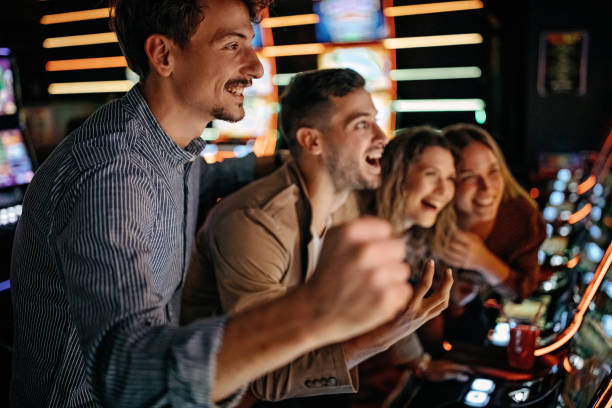
The psychological aspects of escapism can lead to compulsive gambling behavior, especially among those who use gambling as a coping mechanism. It allows individuals to experience joy and excitement, albeit fleetingly. However, this form of escapism can turn detrimental when individuals start relying on gambling as their primary means of handling life’s challenges. As they become more entrenched in this behavior, what began as an occasional thrill can evolve into a cycle of addiction, with individuals continuously seeking that high while facing the mounting consequences of their actions.
Understanding the role of gambling as a form of escapism necessitates the development of healthier coping strategies for stress relief and emotional management. Recognizing that gambling offers only temporary relief encourages individuals to seek more sustainable solutions for their problems. Support groups, mental health resources, and alternative recreational activities can provide balanced approaches to managing life’s stresses, ultimately reducing dependency on gambling as a means of escape and promoting long-term well-being.
Your go-to resource for gambling insights
For those interested in delving deeper into the complexities of gambling psychology and the broader gambling landscape, our website serves as an invaluable resource. We provide comprehensive articles, expert analyses, and insights into various facets of gambling, including responsible betting practices and the underlying motivations that drive individuals to the tables. Our goal is to educate readers and empower them to make informed decisions regarding their gambling activities, fostering a healthier approach to gaming.
Additionally, our platform keeps you updated with the latest news and trends in the gambling industry. By staying informed about changes in regulations, emerging technologies, and new games, you can better navigate the evolving landscape of gambling. Whether you’re a seasoned gambler or a newcomer exploring the captivating world of casinos, our website is designed to cater to your needs with accurate information and practical advice that enhances your gaming experience.
Engaging with our content allows visitors to gain a nuanced understanding of gambling’s psychological dimensions and the various factors influencing their gaming choices. We encourage readers to explore our wealth of information, ask questions, and develop a broader perspective on gambling to ensure a more enjoyable and responsible experience in the casino realm.
Comments are closed